What Is Chiropractic?
Your nervous system runs everything. Chiropractic keeps it running well.
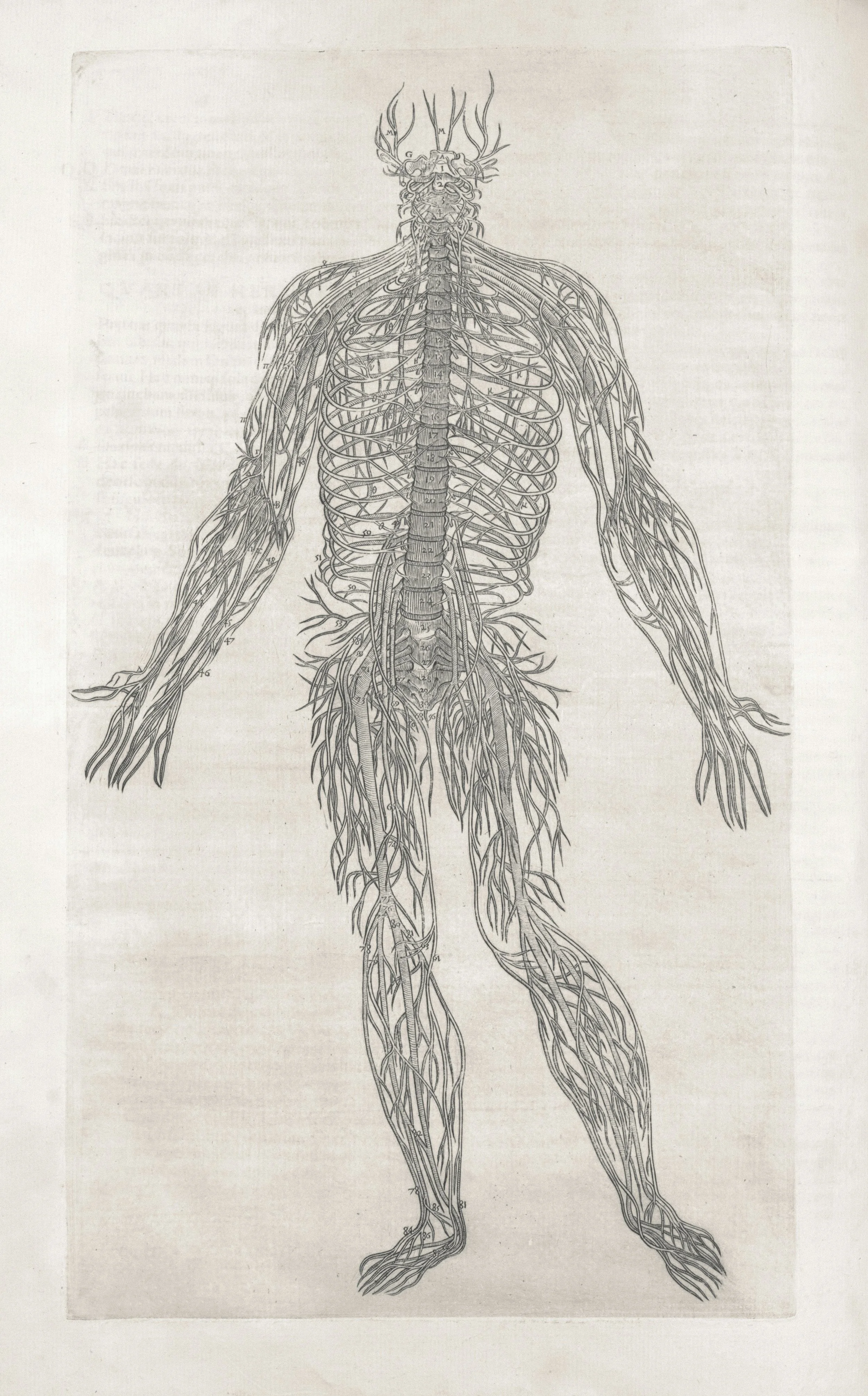
Your brain and spinal cord control every function in your body — from your heartbeat and digestion to the movement of your limbs and the quality of your sleep. That communication happens through your nervous system, and the channel it travels through is your spine.
When your spine is out of alignment — even slightly — it can create pressure on the nerves that run through it. That pressure disrupts the signals your brain is trying to send. The result can be pain, stiffness, reduced mobility, or symptoms that seem completely unrelated to your back.
Chiropractic care works by restoring proper alignment to the spine. When the spine is aligned and nerve function is restored, the body can do what it was designed to do: heal, regulate, and perform.
This isn't a new idea. Chiropractic has been around for over a century, and the science behind it continues to grow. What has always set great chiropractors apart is the precision of their work — and that's exactly where the Gonstead technique excels.
Chiropractic Care
Not all chiropractic is the same. Gonstead is the gold standard.
Developed by Dr. Clarence Gonstead in the 1920s and refined over decades of clinical practice, the Gonstead technique is one of the most thorough and specific systems in chiropractic. It's not a quick pop and send-you-on-your-way approach. It's a detailed, methodical analysis of the entire spine — followed by precise, targeted adjustments only where they're truly needed.
How Gonstead works:
The Gonstead method uses five criteria to analyze the spine before any adjustment is made:
Visualization — observing how you move, stand, and hold your body
Instrumentation — using a nervoscope to detect heat patterns along the spine caused by inflammation and nerve pressure
Static palpation — feeling the spine while you're still to identify areas of swelling, tenderness, or abnormal texture
Motion palpation — assessing how each spinal segment moves
X-ray analysis — where appropriate, studying the precise angles and positioning of the vertebrae
Only after this full picture is assembled does the adjustment happen — and only at the specific vertebra (or vertebrae) that need it. This reduces unnecessary manipulation of healthy joints and ensures that every adjustment has a clear purpose.
The result is care that is more effective, more comfortable, and more durable than a generic approach.
Why does it matter? Many patients who have seen other chiropractors notice an immediate difference with Gonstead. The adjustments are specific. The analysis is thorough. And the results tend to hold.
What Is the Gonstead Technique?
Chiropractic vs. Surgery

The thing causing your pain has a name.
A subluxation is a misalignment of one or more vertebrae in your spine that creates pressure on the surrounding nerves.
Your spine is made up of 24 movable vertebrae, stacked on top of each other with discs between them. When everything is aligned properly, your nerves pass freely through the openings between the vertebrae, carrying signals to and from your brain without interference.
When a vertebra shifts out of its ideal position — due to injury, repetitive stress, poor posture, or simply the accumulated weight of daily life — it can narrow those openings and put pressure on the nerves running through them. That's a subluxation.
The symptoms of a subluxation vary widely. Some people feel sharp, localized pain. Others experience pain that radiates down an arm or leg (often called sciatica or radiculopathy). Some people feel numbness or tingling. And in some cases, people have subluxations with no pain at all — but other systems in the body are affected, from digestion to sleep to immune function.
The goal of chiropractic care is to identify subluxations, correct them, and restore normal nerve function. When that happens, the body's own intelligence can take over — often with results that surprise people who have been managing symptoms with medication for years.
What Is a Subluxation?
Before you consider surgery, consider this.
Surgery is sometimes necessary. But for most spinal conditions — herniated discs, sciatica, chronic back pain, neck pain — it's pursued far more often than it needs to be.
The research is clear: for the vast majority of common spinal problems, conservative care (including chiropractic) produces outcomes equal to or better than surgery, without the risks, the recovery time, or the cost.
What surgery can't fix: Surgery addresses structure — it removes tissue, fuses joints, or decompresses nerves through physical intervention. But it doesn't address the underlying mechanics that created the problem in the first place. That's why so many people who have back surgery find themselves back in pain months or years later — sometimes worse than before.
What chiropractic does: Chiropractic restores proper function to the spine. When the vertebrae are aligned, nerves are free from pressure, discs are better supported, and the muscles around the spine can do their job properly. The body heals from the inside out.
For patients who have been told they "need" surgery for a herniated disc, sciatica, or degenerative disc disease, we strongly encourage getting a chiropractic evaluation first. In many cases, dedicated chiropractic care resolves the problem entirely — and even in cases where surgery ultimately is needed, chiropractic care before and after can significantly improve outcomes.
This isn't anti-medicine. We work alongside medical professionals and refer patients when appropriate. But we believe strongly that patients deserve to know all their options — and that an informed patient who starts with conservative care first is usually better off in every way.